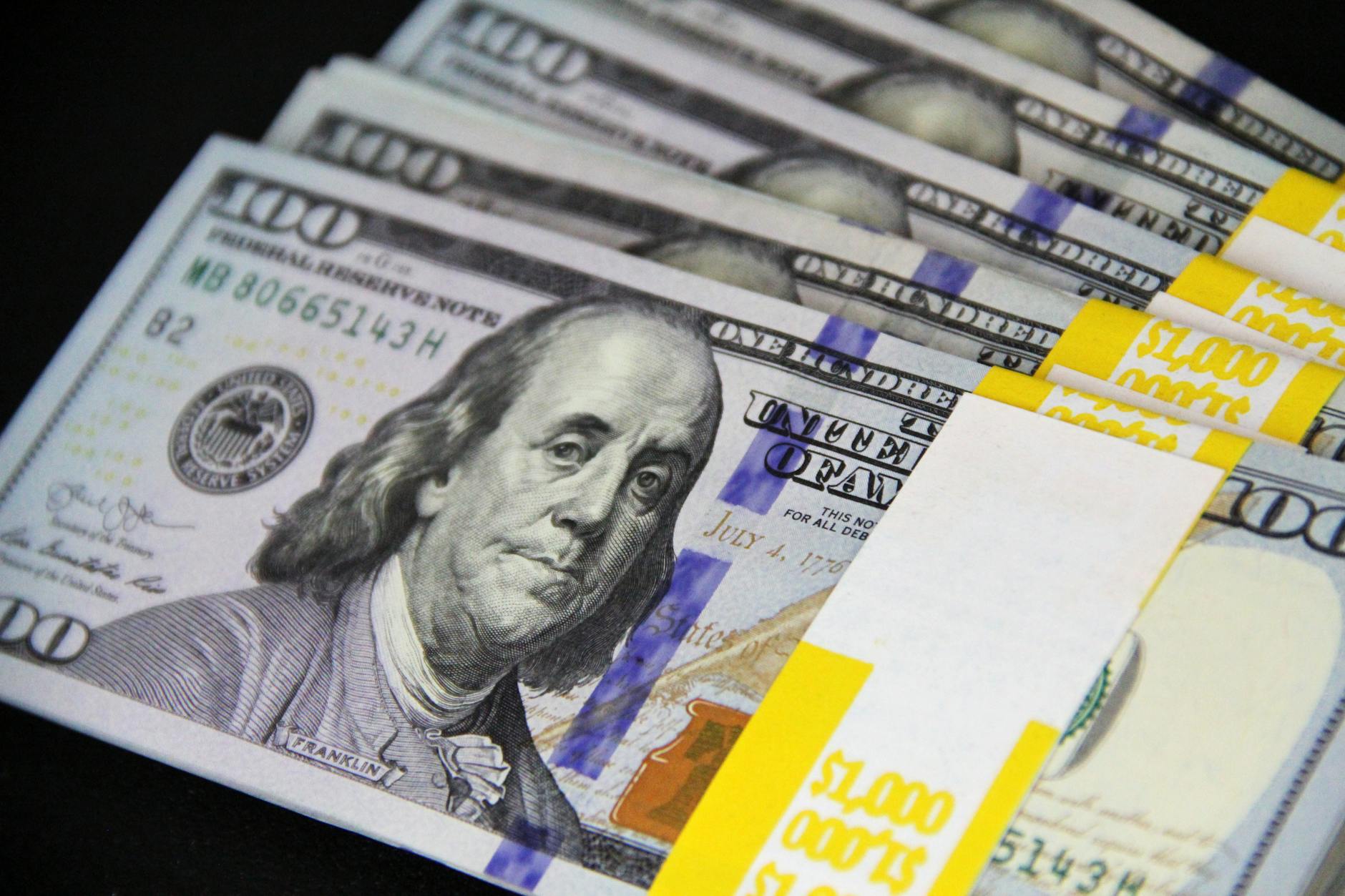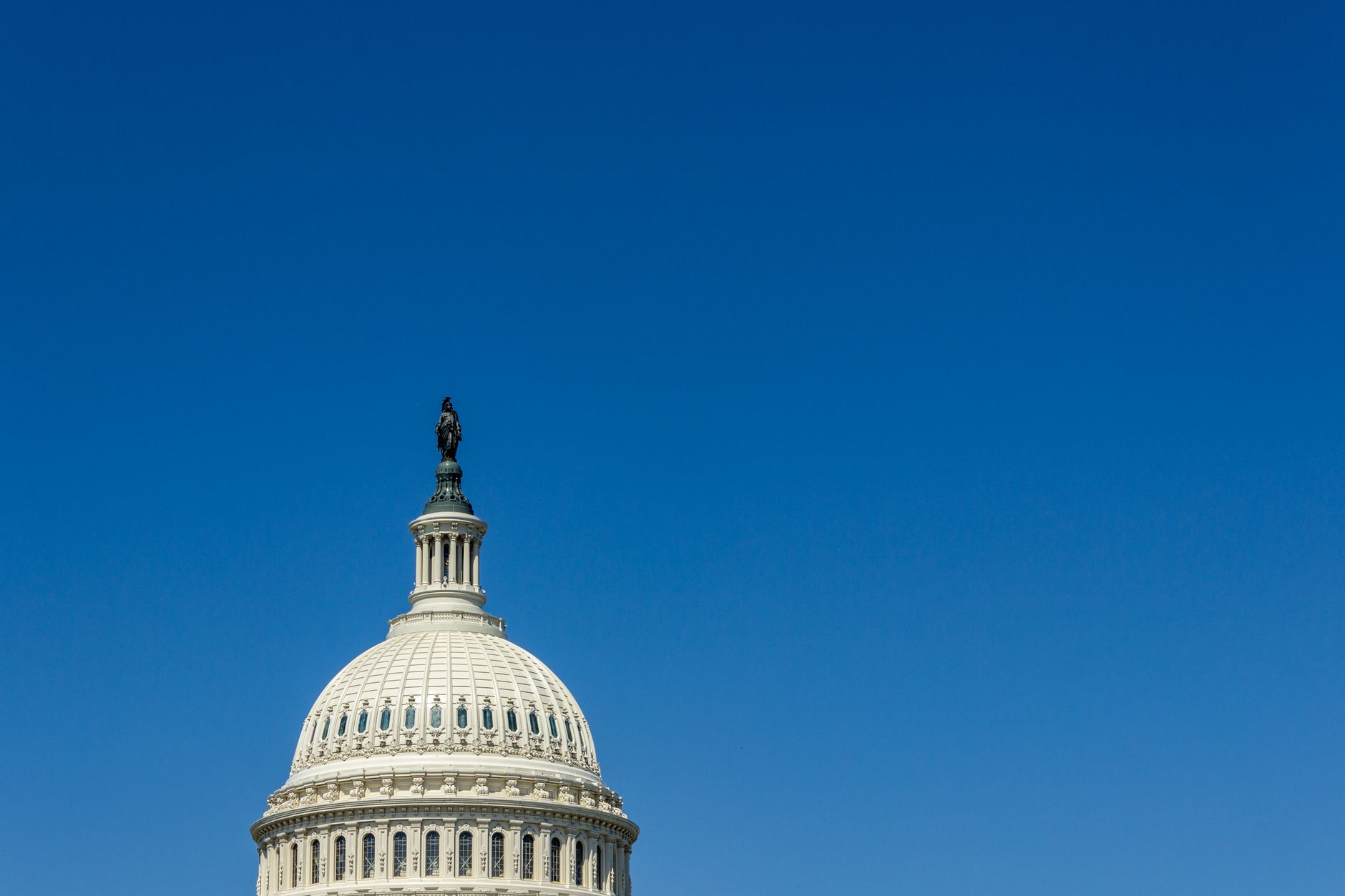
The federal government's fiscal year ends September 30 — and by any measure, it is closing badly. The Congressional Budget Office reported that the United States borrowed $2.0 trillion in the first eleven months of FY2026, putting the full-year deficit on course to finish between $2.1 trillion and $2.15 trillion. That would make FY2026 the second-largest peacetime deficit in American history, trailing only the pandemic-era years of FY2020 and FY2021, when emergency spending swelled borrowing to extraordinary levels. The headline number is striking. The story beneath it is worse.
Within that $2 trillion shortfall lies a milestone that received far less attention than it deserved: net interest payments (the Treasury's annual cost of servicing outstanding debt, net of interest earned on government assets) have, for the first time since the late 1920s, eclipsed the entire defense budget. Through the first eleven months of FY2026, the Treasury paid $1.27 trillion in net interest — a figure roughly 13 percent higher than the same period a year ago. The full-year national defense appropriation, including $152 billion in reconciliation funding from last year's budget process, totals approximately $1.045 trillion. The gap is not narrow. The United States now dedicates more of its annual budget to servicing prior borrowing than to maintaining the military that defends it.
Three forces produced this crossover, and none of them is easily reversible. The first is the sheer scale of debt accumulated since 2020: gross federal debt crossed $40 trillion on August 18, 2026, reaching that threshold less than five months after crossing $39 trillion. The second is the interest rate environment. During the pandemic-era borrowing surge, the Treasury funded enormous deficits at near-zero yields, locking in cheap debt — but only on the terms of those original maturities. As shorter-duration securities roll over and are refinanced at current market rates, the average cost of the outstanding stock of debt has been drifting upward for three consecutive years. The third factor is a structural revenue shortfall. The One Big Beautiful Bill Act (OBBBA), signed July 4, 2025, permanently extended the 2017 individual tax cuts while adding new relief for overtime pay, tips, and senior deductions. Corporate income tax receipts fell by $86 billion — roughly 24 percent — through FY2026's first eleven months, a direct consequence of OBBBA's provisions.
FY2026 Fiscal Scorecard
| Metric | FY2026 (Through Aug.) | YoY Change |
|---|---|---|
| Budget Deficit (11 months) | $2.00 trillion | Wider |
| Net Interest Payments | $1.27 trillion | +13% |
| National Defense Budget (full yr.) | $1.045 trillion | +7% |
| Gross Public Debt | $40.1 trillion | Record high |
| Customs Duties (tariff revenue) | +$55B vs. prior yr. | +51% |
| Corporate Income Tax Receipts | −$86B vs. prior yr. | −24% |
The Compounding Loop
Now the Federal Reserve has entered the equation on the wrong side. The September 16 rate decision raised the federal funds rate to 3.75–4.00 percent, the first increase in more than a year. With the CME FedWatch tool pricing an additional October 28 hike at approximately 76 percent probability as of this writing, the tightening cycle is not finished. Every 25-basis-point increase in the overnight policy rate pushes Treasury borrowing costs upward — not immediately on all outstanding debt, but on each new issuance and each rolled-over bill or note. The Treasury Department expects to issue $671 billion in net marketable debt in the final quarter of the calendar year alone. At current yields — the 10-year Treasury trading near 5.11 percent as of September 26 — that borrowing adds directly to an interest bill that will open FY2027 already larger than when FY2026 began.
The revenue picture provides little offsetting relief. Total receipts for FY2026 are projected to top $5.2 trillion — a record — driven primarily by strong individual income and payroll tax withholding, which rose $169 billion on the strength of a resilient labor market. An expanded tariff program contributed an additional $55 billion in customs duties. But the structural gap between revenues and non-discretionary outlays has not narrowed. Social Security and Medicare together account for roughly $3 trillion in annual expenditures. With net interest now the second-largest single line item in the budget — trailing only Social Security — mandatory spending commitments already exceed projected revenues even before a single dollar of discretionary spending is counted. The tariff windfall and wage growth are meaningful at the margin; they are not remotely large enough to bend the primary deficit trajectory.
What FY2027 Inherits
The new fiscal year that begins October 1 inherits a compounding problem. The CBO's ten-year budget outlook projects that net interest will grow from roughly $1.0 trillion in FY2026 to $2.1 trillion by FY2036 — a doubling driven by the continued rollover of pandemic-era low-coupon debt at current market rates and by projected deficits that add further to the outstanding principal each year. Federal debt is projected to reach 120 percent of GDP by 2036 under current law, rising toward the levels historically associated with sovereign debt stress in smaller economies. More immediately, the Treasury has already used more than half of the $5 trillion borrowing authority authorized when the debt ceiling was lifted to $41.1 trillion by the OBBBA in July 2025. Bipartisan policy analysts project the ceiling will be reached between February and July 2027, triggering another round of fiscal brinkmanship over extraordinary measures — the extraordinary measures (emergency bookkeeping techniques the Treasury uses to avoid breaching the statutory debt limit) that have temporarily averted default in every prior standoff since 2011. That confrontation will take place against a backdrop in which the interest bill alone already exceeds what the United States spends on its military, with the Fed potentially still raising rates when Congress convenes to debate it.
FY2026 closes with a $2 trillion-plus deficit and a new structural reality: net interest payments have eclipsed the entire defense budget for the first time since the 1920s. The Fed's ongoing rate hike cycle will compound borrowing costs further as FY2027 begins. With the debt ceiling approaching by mid-2027 and CBO projecting net interest to double over the next decade, the country enters the new fiscal year with a fiscal position deteriorating faster than either tariff revenue gains or OBBBA spending restraints can reverse.