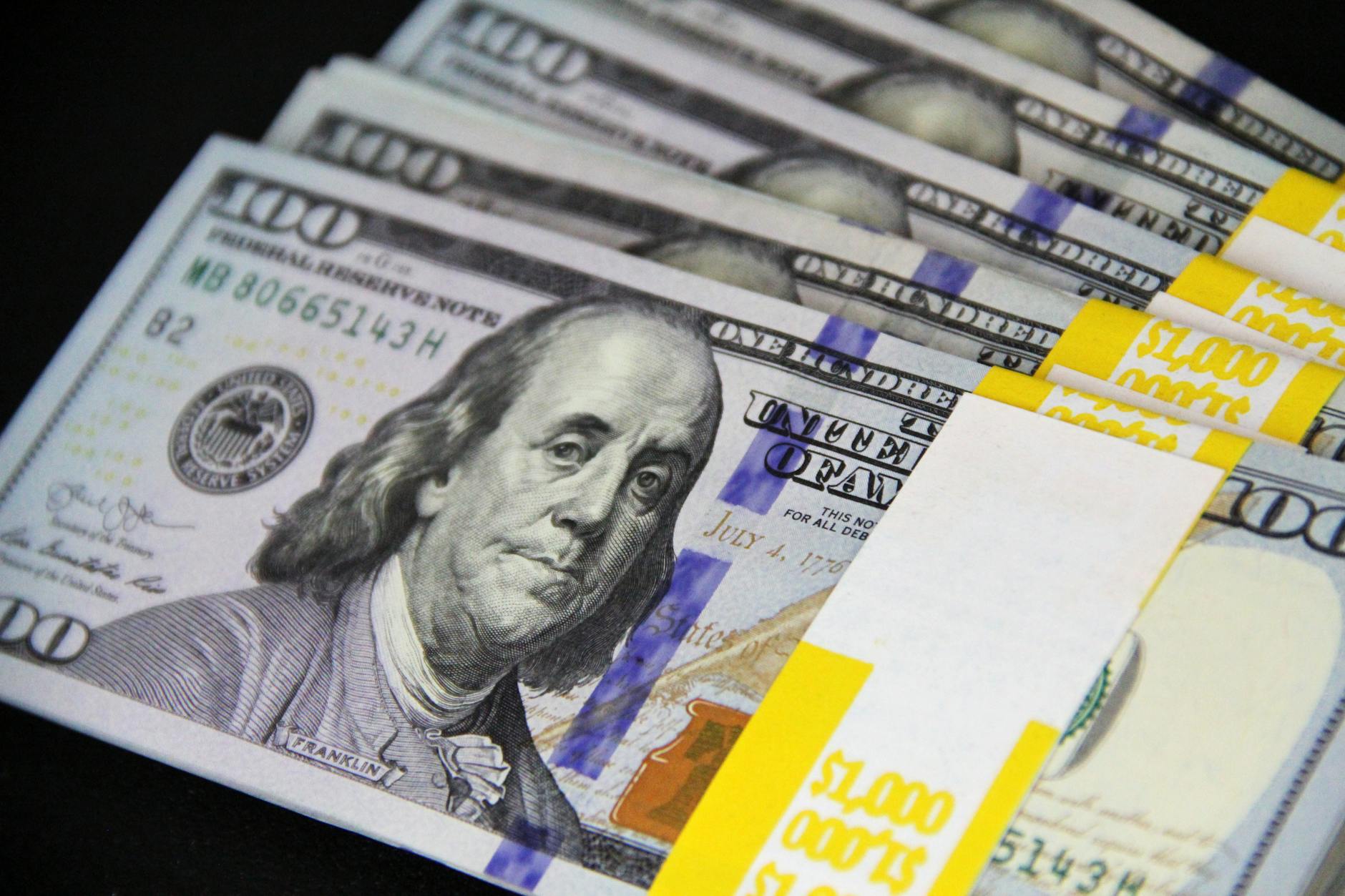
The headline number from the Bureau of Economic Analysis's latest GDP report looked unremarkable: 1.6% annualized growth in the first quarter of 2026, a modest deceleration from the prior quarter. But strip away one line item — private investment in artificial intelligence data centers — and the picture darkens considerably. Federal Reserve researchers now estimate that data-center construction and equipment spending alone contributed between 0.8 and 1.1 percentage points to headline GDP growth this year, meaning that without the AI infrastructure boom, the US economy would be expanding at barely half its reported pace, brushing up against stall speed.
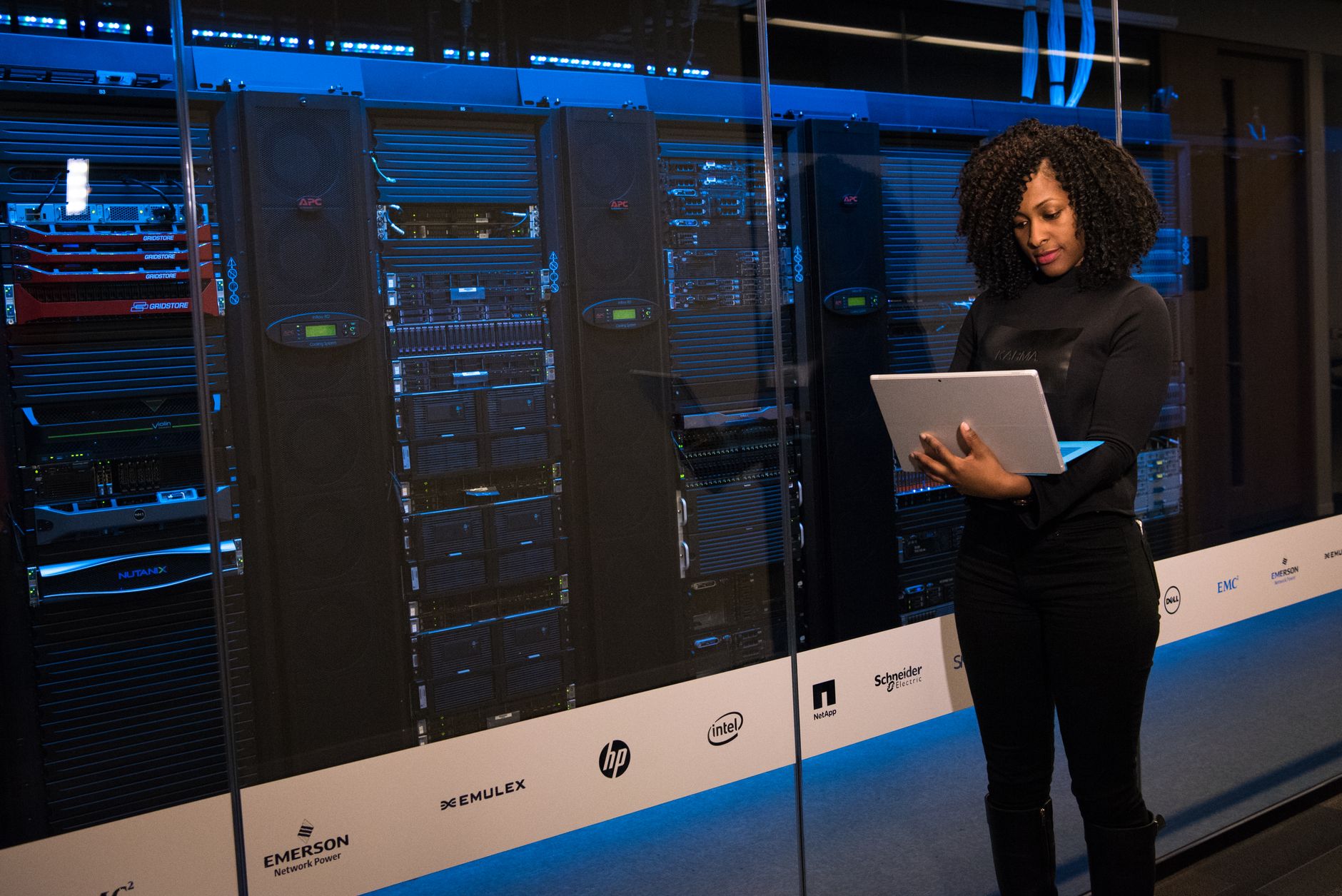
The scale of the buildout is difficult to overstate. Data-center investment has rocketed from an annualized rate of roughly $60 billion in the final quarter of 2024 to an estimated $370 billion by the second quarter of 2026 — better than a six-fold increase in eighteen months. The largest US technology firms, often called "hyperscalers" (the cloud-computing giants — Amazon, Microsoft, Alphabet, Meta and others — that build and operate computing infrastructure on a scale large enough to serve the entire internet), now plan to spend as much as $725 billion this year on capital expenditures, the overwhelming majority of it on AI computing equipment. In April alone, US construction spending on data centers topped $50 billion for the first time — 2.3% of all construction spending nationwide, and for the first time on record, more than the country spends building offices.
Equity markets have cheered every dollar of it. On June 1, the Nasdaq Composite closed above 27,000 for the first time in its history, while the Nasdaq 100 — the index of the exchange's largest non-financial companies — pushed past 30,000. The rally has been propelled almost entirely by a narrow band of AI infrastructure names reporting blowout earnings and announcing ever-larger capital raises, even as more than 60% of S&P 500 constituents have trailed the broader index over the past year.
What is less visible from the stock ticker is how this boom is being financed. Not even Amazon, Microsoft or Meta — companies that generate tens of billions of dollars in free cash flow each quarter — are willing to fund a buildout whose total price tag is estimated at $3 trillion purely from their own balance sheets. Instead, they have turned increasingly to corporate bond markets and private credit, transforming what looks from the outside like a technology story into, at its core, a debt story. Wall Street banks have reorganized entire teams around data-center financing; one senior Goldman Sachs banker recently described the business as "all AI data centers, all the time."
That financing wave is now showing up on risk officers' watch lists. In a Bank of America survey released in early June, 34% of global fund managers identified AI hyperscaler capital spending as the most likely source of the next systemic credit event — double the share who said so in April — and for the first time on record, an "AI bubble" topped the list of concerns among credit investors specifically. DoubleLine portfolio manager Robert Cohen went further on June 3, telling clients that an AI debt bubble in credit markets is now all but inevitable, drawing a parallel to historical waves of overinvestment in railroads and the early internet.
The fragility of the arrangement was on full display in late April, when a report that OpenAI had missed internal user and revenue targets sent corporate bonds linked to data-center borrowers tumbling in a single trading session. The episode illustrated how tightly the fortunes of the broader US economy — not merely the technology sector, but reported GDP itself — are now bound to the spending decisions, credit ratings, and revenue trajectories of a small handful of companies executing an infrastructure bet whose ultimate payoff remains, by definition, unproven.
A Single Point of Failure
This arrangement leaves policymakers in an uncomfortable position. An economy that, on paper, looks resilient — unemployment near 4.3%, GDP growth holding above 1.5%, equity indices at record highs — is in practice leaning heavily on the capital-spending cycle of one industry, financed substantially through leverage that sits outside traditional bank balance sheets and therefore outside much of the regulatory apparatus built after 2008. Some economists have drawn uneasy comparisons to the mid-2000s, when residential housing investment played an outsized role in propping up headline growth figures — though officials are quick to note real differences, since AI infrastructure is, unlike many subprime-era mortgages, generating real and growing revenue today. Still, if hyperscaler spending decelerates even modestly, or if credit markets reprice the risk attached to data-center debt, the percentage point or more of GDP growth currently attributed to the AI boom could reverse just as quickly as it appeared.
| Indicator | Current | Prior | Change |
|---|---|---|---|
| Data-center investment (annualized rate) | $370B (Q2 2026 est.) | $180B (Q4 2025) | +106% |
| 2026 Big Tech AI capex (planned) | $725B | $650B (Feb. est.) | +$75B |
| GDP growth contribution from data-center capex | 0.8–1.1 pts | — | — |
| Fund managers citing AI capex as top credit risk | 34% | 17% (April) | +17 pts |
None of this means the AI investment cycle is destined to end badly, or that the computing infrastructure being built will prove unproductive over the long run. But it does mean that an unusually large share of what currently passes for American economic strength is concentrated in a single, debt-financed wager — one whose unwinding, should it come, would not stay confined to technology stocks. For a Federal Reserve already weighing a rate decision on June 17 against stubborn inflation and a cooling labor market, the AI capex boom adds yet another variable it did not choose and cannot easily control: an economy that may be stronger than it looks today, or far weaker than it appears, depending entirely on whether one industry's spending spree keeps running on schedule.
A huge share of America's recent economic growth is coming from one place: tech giants pouring hundreds of billions of dollars into building AI computing centers, much of it borrowed. Stock markets have surged on the back of this spending, but the people who track credit risk for a living are increasingly worried the debt behind it could turn sour. If that spending slows down, or lenders get nervous and pull back, a meaningful chunk of what's currently propping up US growth could disappear quickly — leaving an economy that looked strong on paper suddenly looking much weaker.