On Monday, the Bureau of Labor Statistics delivered an uncomfortable reminder that the inflation problem has not been solved. The consumer price index rose 3.8% in April from a year earlier — the fastest pace since May 2023 — as an energy shock rooted in the Middle East conflict collided with stubborn services inflation and the lagged pass-through of tariffs levied on Chinese goods more than a year ago. The report landed two days before the Senate confirmed Kevin Warsh as the next chair of the Federal Reserve, ensuring that the nation's new monetary policy steward inherits his predecessor's most persistent headache before his first meeting even begins.
The monthly gain was equally jarring. Prices rose a seasonally adjusted 0.6% in April, exceeding consensus estimates and marking the sharpest monthly acceleration in more than a year. Energy drove more than 40% of the move, with the broader energy index climbing 3.8% for the month and gasoline prices surging 28.4% over the past year as fighting in the Middle East drove Brent crude above $100 a barrel and disrupted tanker traffic through the Strait of Hormuz. For American households still nursing the wounds of the 2021–2023 inflation surge, the reacceleration feels like a second act nobody wanted.
Beyond Energy
Strip out food and energy and the picture does not improve much. Core CPI climbed 0.4% for the month — the fastest monthly core reading since January 2025 — lifting the annual core rate to 2.8% from 2.6% in March. Shelter costs, which constitute roughly a third of the all-items index, rose another 0.6%, maintaining their stubborn grip on headline inflation despite the gradual cooling in new-lease data that had fed earlier optimism about a so-called "shelter disinflation" story. Airline fares surged 20.7% over 12 months, a figure that simultaneously reflects elevated jet-fuel costs and a resilient rebound in post-pandemic travel demand.
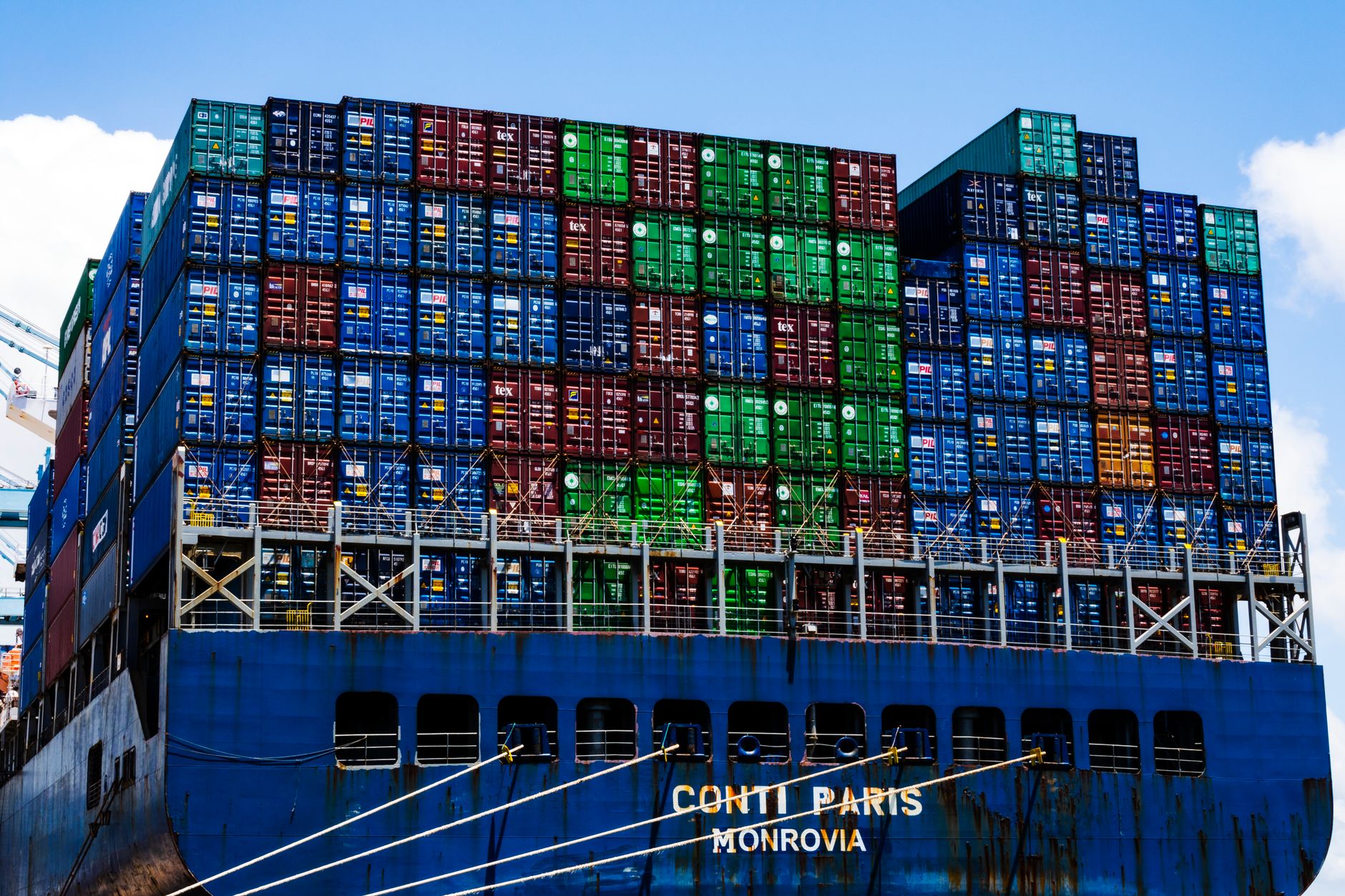
The fingerprints of trade policy are increasingly visible. Tariff-sensitive categories — apparel, household furnishings, and a range of imported consumer goods — are logging price gains not seen since the period of peak supply-chain stress. Apparel alone rose 0.6% in April. The pattern suggests that retailers and importers, having spent more than a year absorbing elevated duty costs, are now passing those costs downstream to consumers at an accelerating rate.
The Pipeline Is Still Hot
The producer price index, released Wednesday, amplifies the concern. Wholesale prices jumped a seasonally adjusted 1.4% in April — the largest single-month gain since March 2022 — pushing the annual rate to 6.0%, the highest reading since December 2022. Core PPI, excluding food and energy, rose 1.0% for the month against a consensus estimate of just 0.4%. Trade services, a proxy for wholesale distributor margins, spiked 2.7%, a sign that middlemen are successfully passing elevated import costs onto retailers.
The breadth of the PPI move is as notable as its magnitude. Two-thirds of the monthly gain was attributable to trade services, but pressure was evident across a wide range of goods and services. If producer prices lead consumer prices with a six-to-eight-week lag — a relationship that has held reasonably well in recent cycles — the May and June CPI reports may offer little comfort. The pipeline, in short, is still full.
Data at a Glance — April 2026 Price Indicators
| Indicator | Apr 2026 | Mar 2026 | Change |
|---|---|---|---|
| CPI — Year-over-Year | 3.8% | 3.3% | +0.5 pp |
| Core CPI — Year-over-Year | 2.8% | 2.6% | +0.2 pp |
| CPI — Month-over-Month (SA) | 0.6% | 0.9% | — |
| PPI — Month-over-Month | 1.4% | 0.5% | +0.9 pp |
| PPI — Year-over-Year | 6.0% | ~4.7% | +1.3 pp |
| Real Avg Hourly Earnings — YoY | −0.3% | +0.1% | −0.4 pp |
A Frozen Fed, A New Chair
The Federal Reserve held its benchmark fed funds rate at the 3.50%–3.75% target range for a third consecutive meeting in late April, and the latest data has only reinforced the case for continued inaction. CME FedWatch futures now price in a 97% probability that rates remain unchanged at the June 16–17 meeting — the first session Warsh will chair. More strikingly, markets have all but abandoned expectations of any cut in 2026, a dramatic reversal from January, when a quarter-point reduction by year-end was widely anticipated. Some traders have begun pricing in a non-trivial probability of a rate increase.
The April FOMC meeting illustrated the institution's internal tensions. Four officials dissented — the most at any Fed meeting since October 1992. Three wanted to remove language suggesting a future cut remained possible; a fourth, Governor Stephen Miran, pushed for an immediate reduction. The tableau captures the bind that Warsh steps into: with inflation reaccelerating, the price stability mandate demands restraint, while political pressure and slowing growth argue for easing. There is, at present, no comfortable middle path.
The Squeeze on Households
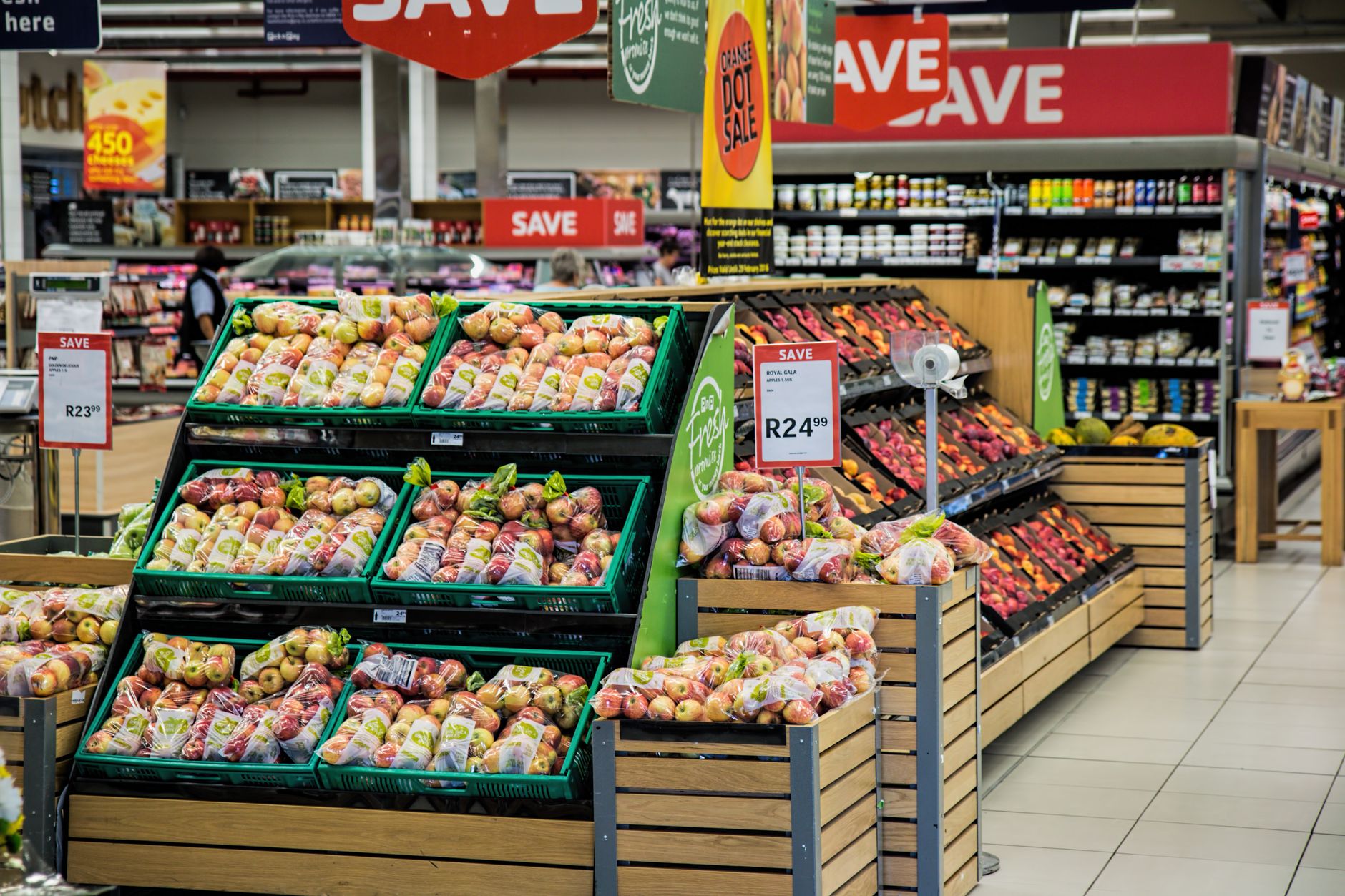
For working Americans, the arithmetic is straightforward and uncomfortable. Average hourly earnings rose 3.6% over the past year; consumer prices rose 3.8%. That gap marks the first time since 2022 that inflation has outpaced nominal wage growth on an annual basis, erasing the modest real income gains that households had accumulated since mid-2023. Real average hourly earnings fell 0.3% year over year and 0.5% for the month of April alone. Lower- and middle-income households, which devote larger shares of their budgets to energy, groceries, and rent, bear the heaviest burden — and are least equipped to absorb it.
Consumer spending accounts for roughly two-thirds of U.S. GDP. If the real wage squeeze persists into the summer, the risk is not merely an inflation problem but a growth problem too: a stagflationary scenario that would leave the Fed with no good options and Warsh with a defining early test of his judgment and independence.
What Comes Next
The coming months will determine whether April's print represents the peak of this new inflationary episode or merely its opening chapter. Much depends on the trajectory of energy prices — a variable largely beyond the Fed's control, tethered as it is to geopolitical decisions made in Tehran and Riyadh rather than monetary ones made in Washington. If the Strait of Hormuz remains disrupted and crude holds above $100, the summer CPI readings may well exceed April's. If a ceasefire or diplomatic agreement eases the supply shock, the picture could improve quickly. What the April data makes clear is that the Fed cannot afford to look away. Warsh's first order of business may simply be holding the line — and making sure the market knows he means it.
Inflation jumped back to 3.8% in April — nearly twice the Federal Reserve's 2% target — driven mainly by surging energy costs (gas is up 28% over the past year) and stubbornly high rent. For the first time since 2022, prices are rising faster than wages, meaning your paycheck buys a little less than it did a year ago. The Fed is caught in the middle: inflation is too high to cut interest rates and ease borrowing costs, but growth is slowing too much to raise them further. Until energy prices cool or rent stops climbing, expect your cost of living to stay elevated.